Do You Need a Tenant Before Refinancing a BRRRR? What Lenders Count as Rent
Do you need a tenant before refinancing a BRRRR? Usually yes, a signed lease. See what rent a DSCR lender counts and how to lease up without cutting rent.
By the BRRRRCalculator.org team
Do you need a tenant before refinancing a BRRRR? Usually yes. Most lenders want a signed lease in the file before they size a cash-out loan on the house’s rent, and many will not order the appraisal until one exists. A smaller group will refinance a vacant house on the appraiser’s market rent estimate, normally at a lower loan amount or with a rate add.
Where the rule tends to land:
- DSCR lenders: a signed lease is usually required, and they use the lower of lease rent and market rent
- Conventional investment property loans: the appraiser’s rent estimate is often enough, so no tenant is needed
- Vacant with no lease: expect a smaller loan, a higher rate, or a decline
Ask the question in writing before the rehab finishes. The answer decides whether you lease the house or order the appraisal first.
Why lenders ask for a signed lease at refinance
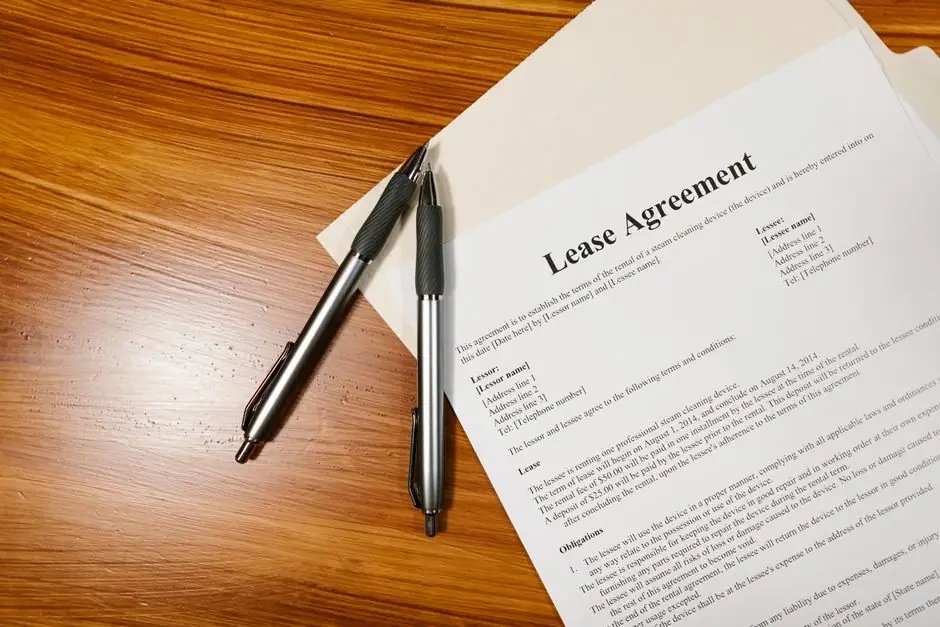
The loan is sized on the property’s income, so the lender wants proof of that income. A lease is a contract for a set rent over a set term, which is as close to proof as a rental house gets. A vacant house offers an estimate instead.
Underwriters also read an occupied house as the safer file. Someone is paying, the utilities work, and the place already passed a tenant’s inspection.
An appraiser’s rent schedule vs an actual signed lease
Two documents claim to say what the house rents for, and they are not the same thing.
| Document | What it is | Who produces it |
|---|---|---|
| Comparable rent schedule | An opinion of market rent, drawn from nearby rentals | The appraiser, with the appraisal |
| Signed lease | A contract for a stated rent and term | You and the tenant |
Lenders usually take the lower of the two. That single habit decides a lot. A lease written above market will not buy a bigger loan, because the rent schedule caps it. A lease written below market caps the loan even where the area supports more, because the contract is real.
So check local rental value before you sign anything. HUD’s county fair market rent tables are a free sanity check on whether the rent you plan to ask is in the right neighborhood.
How much of the rent does a DSCR lender count?
Most count gross rent and compare it with the full payment. The debt service coverage ratio is rent divided by principal, interest, taxes, insurance and any HOA dues.
Conventional lenders are stingier. A long-standing convention there is to count 75% of gross rent as rental income, holding back 25% for vacancy and repairs.
What the standard deal looks like with a tenant in place
Buy at $300,000, spend $60,000 on rehab, so you are $360,000 in. Refinance at 75% of a $500,000 after-repair value and the new loan is $375,000. Every dollar comes back plus $15,000.
At 7.5% over 30 years, $375,000 costs about $2,620 a month in principal and interest. Add $6,000 of annual taxes at $500 a month and $2,500 of insurance at about $208, and the payment lands near $3,330. Rates move, so use your own quote.
Rent of $4,400 covers $3,330 about 1.32 times. That clears the 1.2 to 1.25 minimum most DSCR lenders set, and how those loans get sized is worth reading before you pick one.
Now count only 75% of that rent. $3,300 against a $3,330 payment is 0.99, just under break even. Same house, same lease, different rule.
Vacancy has its own price. Holding costs run $850 a month on this deal, so two extra empty months spend $1,700 of the $15,000 you were going to walk away with.
Leasing up fast without underpricing the rent
Cutting the rent to fill the house is the expensive shortcut. Drop $4,400 to $4,200 and you give up $2,400 over the year, coverage slips to about 1.26, and the lease now caps your loan at the lower figure for its whole term.
Faster moves that cost less:
- Advertise in the last two weeks of the rehab, with a firm available date
- Pay for real photos once the kitchen and floors are finished
- Group showings into one weekend instead of one at a time
- Screen on income, rental history and credit, then hold the price
- Collect a full security deposit and sign a 12-month term
- Offer a one-time move-in credit rather than a lower rent, since a credit does not change the contract rent the lender reads
A local property management company will quote the rent it can actually get, not the rent you hope for. Ask two of them before you list.
Renting during the rehab’s final weeks: what it risks
Moving a tenant in early looks like free money. It often costs more.
Your builders risk or vacant policy is not a landlord policy, and occupancy usually has to be reported to the carrier. The appraiser needs access too, and a tenant’s furniture, pets and boxes photograph worse than a clean finished house.
Punch list work slows down with someone living there. A tenant placed in a hurry is also the one most likely to end in an eviction, which is slow everywhere and very slow in some states.
Finish, clean, photograph, then lease.
Month-to-month, short leases and mid-term tenants
Many lenders accept a month-to-month agreement. Some require a term of at least 12 months, and a few want the first month’s rent shown as deposited. A six-month lease sits in between and is usually fine when the rent matches market.
Mid-term tenants on furnished stays of 30 days or more are often underwritten at long-term market rent rather than what they pay. Nightly income from a short-term rental is rarely counted at all on a first refinance.
Check your own deal
Put your purchase price, rehab budget, after-repair value and rent into the BRRRR Calculator on the home page. It shows the loan at 75% of value, the cash that comes back, and how much stays in the house if the rent or the value comes in short.
Frequently asked questions
Can you refinance a BRRRR with the house empty?
Sometimes. Conventional investment property loans often accept the appraiser's market rent estimate, so a vacant house can close. Most DSCR lenders want a signed lease first, and the ones that will go without usually cut the loan amount or add to the rate. Ask your lender which way they handle it before the rehab wraps up.
Does the lease have to be signed before the appraisal?
Not always, but it helps. If the lender uses the lower of contract rent and market rent, having the lease in hand when the appraiser visits means both numbers get reviewed together and nothing stalls later. If your lender only needs the rent schedule, order the appraisal as soon as the work passes final inspection.
How long does a tenant have to live there before you can refinance?
On most cash-out refinances, no seasoning of the tenancy is required. A signed lease and proof the first payment arrived is usually enough. Separate from that, the loan itself may have a seasoning rule tied to when you bought the house, commonly three to six months, which is the timeline that actually delays people.
Does a signed lease raise the appraised value?
No, not on a single-family house. The appraisal leans on recent sales of similar nearby homes, so a strong lease does not move that figure. The lease affects the loan through the income test instead. Rent decides whether the payment is covered, and the sales comps decide the value the 75% is taken from.
What documents does an underwriter want for the rent?
Typically the full signed lease with all pages, proof the security deposit and first month's rent were deposited, and the appraiser's comparable rent schedule. If you use a manager, expect a request for the management agreement and a rent roll. Leases with relatives draw extra questions, so keep clean bank records.