BRRRR Method UK: Bridging Finance, Refurb and the Remortgage
BRRRR method UK explained: bridging finance costs, the six month rule, buy-to-let remortgage stress tests and stamp duty, with a worked example.
By the BRRRRCalculator.org team
The BRRRR method in the UK runs the same five steps as in the US, but with bridging finance in place of hard money, a buy-to-let remortgage in place of a cash-out refinance, and stamp duty that carries an extra charge on an additional property. It still works where the refurb adds more value than it costs and the new rent covers a stressed mortgage payment.
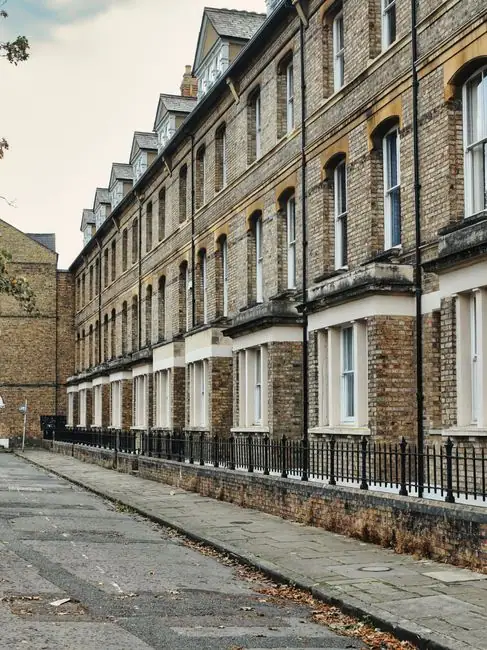
The arithmetic does not change across borders. The costs and the lender rules do.
The five steps in UK terms
| Step | What it means here |
|---|---|
| Buy | Purchase below market value, usually with a bridging loan, cash or a joint venture |
| Refurbish | Works that lift the valuation, not just the decor |
| Rent | Let on an assured shorthold tenancy with a rent a letting agent will stand behind |
| Remortgage | Move onto a buy-to-let mortgage priced off the new value |
| Repeat | Put the released cash into the next purchase |
The remortgage is the step that decides everything. If it lends less than you have in the property, your money stays in the walls and the cycle stops.
Bridging finance and what the buy really costs
A bridging loan is short term lending secured on the property, meant to be repaid by a sale or a remortgage. It plays the same role a bridge loan does in a US deal, and it is priced the same way: monthly interest plus an arrangement fee, often with a valuation fee, legal fees and sometimes an exit fee.
Interest is quoted per month rather than per year. That rate depends on the lender, the loan to value and how clean the security is, so get written terms rather than working from a headline figure.
Most bridging lenders cap the loan at a share of the purchase price or the current value, whichever is lower. So you need a deposit, and the fees come out of your pocket or off the top of the advance.
The cost structure maps closely onto what points, draws and interest do to a hard money deal. Run the same exercise in pounds and add the fees to your total in.
Refurb scope and the six month rule lenders apply
Spend on what a valuer can see and measure. Extra bedrooms, a usable layout, a new kitchen and bathroom, heating, wiring and anything that moves the EPC rating all show up in a valuation. New blinds do not.
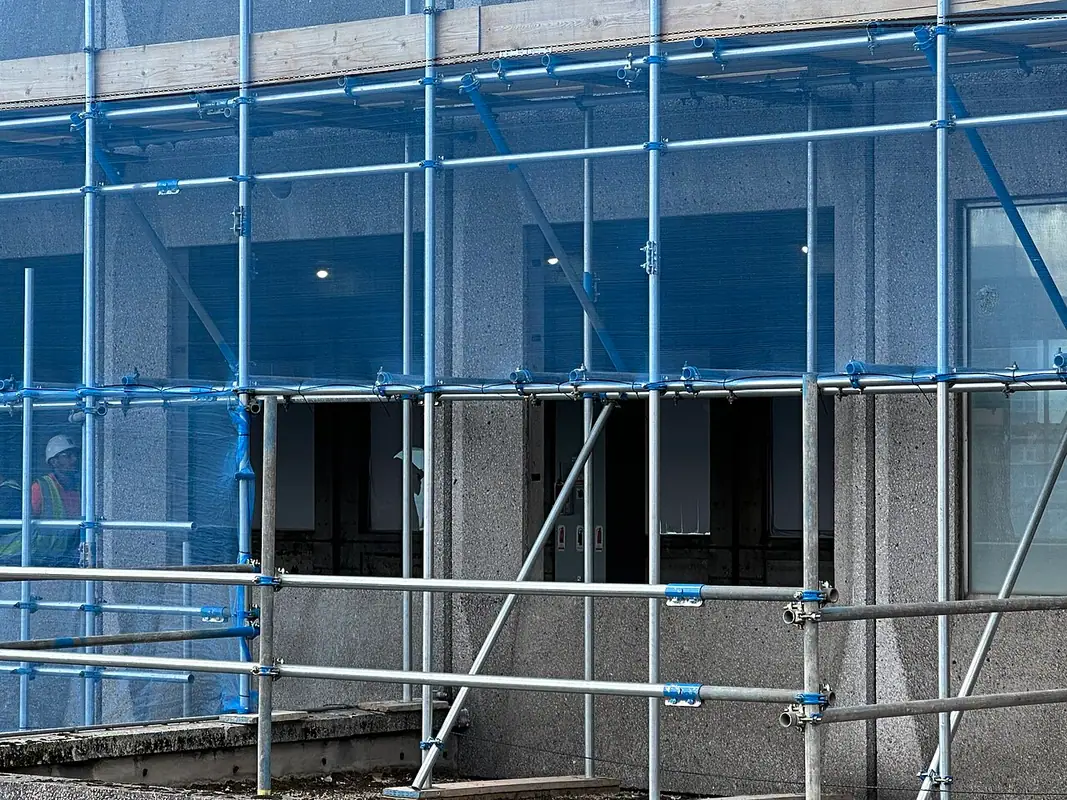
Then there is the timing rule. Many UK lenders will not remortgage a property inside six months of the date you bought it, and some will price off your purchase price rather than the new valuation during that window. A handful lend sooner where the works are documented, but policy differs by lender.
Budget six months of bridging interest and holding costs as the base case. Build the refurb programme around getting the property let and ready to value before that window closes.
Remortgaging onto a buy-to-let: LTV and stress testing
Two tests have to pass at once.
The first is loan to value. Standard buy-to-let products typically top out around 75% of the valuation, and the cheapest rates sit lower. Nothing you do to the property changes that ceiling.
The second is rental cover, often called the interest coverage ratio. The lender takes a stressed interest rate, higher than the rate you actually pay, works out the monthly payment and checks that the rent clears it with a margin. Many lenders look for cover of roughly 125% to 145%, with the higher end applied to higher rate taxpayers, and the exact figures vary by lender and product.
It is the UK cousin of the debt service coverage ratio used by US investor lenders. Same idea, stricter stress rate.
This is why the rent figure matters as much as the valuation. A generous valuation with thin rent gets your loan cut back to whatever the cover test allows.
Stamp duty and the extra charge on a second property
Buying an additional residential property attracts stamp duty land tax in England and Northern Ireland, with a surcharge on top of the standard rates. Scotland charges Land and Buildings Transaction Tax and Wales charges Land Transaction Tax, each with its own additional dwelling supplement.
Rates and thresholds change, so check the current figures before you offer rather than reusing a number from an old deal. Non-resident buyers can face a further surcharge.
Treat the whole amount as sunk cost. It is paid at completion, it does not add a penny to the valuation, and the remortgage will not give it back. On a 500k finished value it is often the single largest line after the deposit and the refurb.
A worked UK example from purchase to remortgage
The standard example on this site is in dollars, and the structure is identical in pounds.
Buy for 300,000. Spend 60,000 on the refurb. Finished value 500,000. Rent of 4,400 a month, holding costs of 850 a month, 6,000 of annual property tax and 2,500 of insurance.
All in at 360,000. A remortgage at 75% of 500,000 lends 375,000. That repays everything you put in and hands back 15,000 on top.
Now apply the UK costs. Stamp duty with the surcharge, bridging fees and six months of interest all sit on top of the 360,000, so the same 375,000 loan no longer covers the lot. Most UK deals leave some money in the property, and that is a normal outcome rather than a failed one.
Also check the cover test. Rent of 4,400 against a stressed payment on 375,000 is comfortable in the standard example. Halve the rent and the loan shrinks regardless of the valuation. The full walkthrough of this deal from offer to cash out shows how each line moves the result.
Why doing it with none of your own money rarely holds up
Every cost in a UK BRRRR lands before the remortgage money arrives. Deposit, stamp duty, solicitors, the valuation, the bridging fees, the materials and the trades.
So no money down usually means someone else’s money: a joint venture partner, a family loan, or borrowing secured against a property you already own. Those are real structures, and they all carry a claim on the deal or on your other assets.
The honest version of the question is how little of your own cash you can leave in after the remortgage, not how to start with nothing.
Work out your own figures
Put your purchase price, refurb budget, finished value and rent into the BRRRR Calculator on the home page and see what a 75% remortgage returns. Add your stamp duty and bridging costs to the refurb figure to get a UK total in, then check what stays stuck in the property.

Frequently asked questions
How does the BRRRR method work in the UK?
You buy a property below market value, usually with a bridging loan or cash, refurbish it, let it to a tenant, then remortgage onto a buy-to-let product based on the new value. The remortgage repays the bridge and returns some or all of your deposit and refurb money, which you put into the next purchase.
Does the BRRRR method still work in the UK?
Yes, where the refurb adds clearly more value than it costs and the rent covers a stressed mortgage payment. Higher rates make both tests harder, because lenders size buy-to-let loans on rental cover rather than value alone. Light cosmetic work in a flat market rarely creates enough uplift to clear the bridge and your costs.
What is the six month rule on a BRRRR remortgage?
Many UK lenders will not remortgage a property within six months of the date you bought it, and some price from your purchase price rather than the new valuation during that window. Policy varies by lender and a few will lend sooner on a refurbished property. Assume six months of bridging interest when you budget.
Can you do the BRRRR method with no money in the UK?
Rarely with none of your own. Bridging lenders usually want a deposit plus fees, and stamp duty, legal costs and refurb payments all land before any remortgage money arrives. People fund that gap with partners, joint ventures or secured borrowing against another property, which is other people's money rather than no money.
Do you pay the extra stamp duty on a BRRRR purchase?
Usually yes. Buying an additional residential property in England or Northern Ireland attracts a surcharge on top of the standard stamp duty rates, and Scotland and Wales apply their own equivalents. Rates and thresholds change, so check the current figures on GOV.UK and treat the full amount as money you may not recover.