BRRRR Method With VA Loan: Occupancy, Entitlement and Cash-Out
BRRRR method with a VA loan: you must live in the house first. Occupancy rules, the cash-out limit most lenders set, and how entitlement carries over.
By the BRRRRCalculator.org team
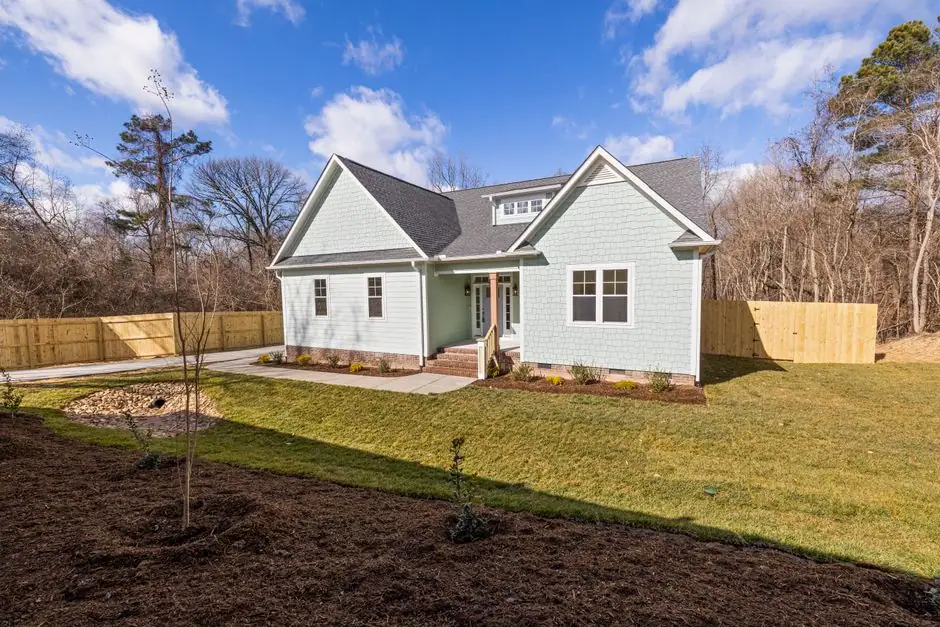
The BRRRR method with a VA loan works, but only on a house you live in first. A VA purchase loan is for a primary residence, so the order changes: you buy and occupy, fix the house while you live there, refinance while you are still living there, then move out and rent it.
That single rule drives everything else here. The short version:
- A VA purchase loan requires you to occupy the home, with 60 days after closing as the usual standard
- One to four units is fine as long as you live in one of them
- A VA cash-out refinance also requires occupancy, so do it before you move
- VA rules allow a cash-out up to 100% of appraised value, though most lenders cap it lower
- Your entitlement stays tied up until the loan is paid off, which limits the next deal
Once the house is a rental, your choices look like the loans in how to finance each step of a BRRRR: a conventional investment loan, a DSCR loan, or short term money on the next purchase.
Occupancy rules you cannot work around
A VA loan is a benefit for buying a home to live in. You sign a statement of intent to occupy, and lenders generally expect you in the house within 60 days of closing. There is no investor track, and no legal path to buying with VA money and renting the place out immediately.
What you can do is live there, then rent it later. VA home loans do not force a sale when you move. Orders, job moves and family changes happen, and the loan stays in place as a rental once you have really occupied the home.
The house itself is the other limit. A VA appraisal checks minimum property requirements: working systems, a sound roof, safe water, no major hazards. A gutted house with no kitchen usually fails. VA has an alteration and repair option, but few lenders offer it, so most VA buyers end up with a dated but livable house rather than a true rehab project. Heavy jobs still run on a hard money loan.
What the VA cash-out refinance allows
A VA cash-out refinance replaces your current loan, VA or not, with a new VA loan and hands you the difference. VA rules allow up to 100% of appraised value. Most lenders set their own ceiling near 90%, some lower, so ask before you build a plan around a number.
You have to be living in the home when it closes. That is the big break from a normal BRRRR exit.
Run the standard deal on this site through it. Buy at $300,000, spend $60,000 on rehab, finish at a $500,000 value. An investor refinance at 75% lends $375,000, which returns the full $360,000 plus $15,000.
A VA cash-out at 90% of $500,000 lends $450,000. With no money down the first loan was $300,000, so the new loan clears it and leaves about $150,000 before costs. The funding fee comes out of that: at 2.15% of $450,000 it runs $9,675. VA publishes the current funding fee table, and veterans receiving service connected disability compensation are exempt.
So you get the $60,000 of rehab cash back and more. The price is a much bigger loan.
Check the payment before you take it. Rates move, so use your own quote. At 7.5% over 30 years, principal and interest on $450,000 is about $3,145 a month. Add $500 of property tax and $208 of insurance from the standard deal and you are near $3,855. Rent of $4,400 covers that about 1.14 times. A $375,000 loan covers about 1.3 times, which is the cushion most rental lenders want.
One timing rule: if you are refinancing an existing VA loan, VA requires at least 210 days since your first payment due date and six consecutive monthly payments.
Entitlement, and reusing it on the next house
Entitlement is the amount VA guarantees for your lender, and it is in use while the loan is outstanding. With full entitlement there is no VA loan limit and no required down payment.
Keep the first house as a rental and you are working with partial entitlement, which is capped against the conforming loan limit in that county. A bigger first balance leaves less room, so a cash-out that takes you to $450,000 uses more than the original $300,000 purchase did.
Entitlement comes back when the loan is paid off, usually by selling, and there is a one time restoration if you pay it off but keep the house. A common plan is to use VA once to start with almost no cash, then move to other loans, which is the spirit of starting a BRRRR without much money.
Living in it: BRRRR and house hacking together
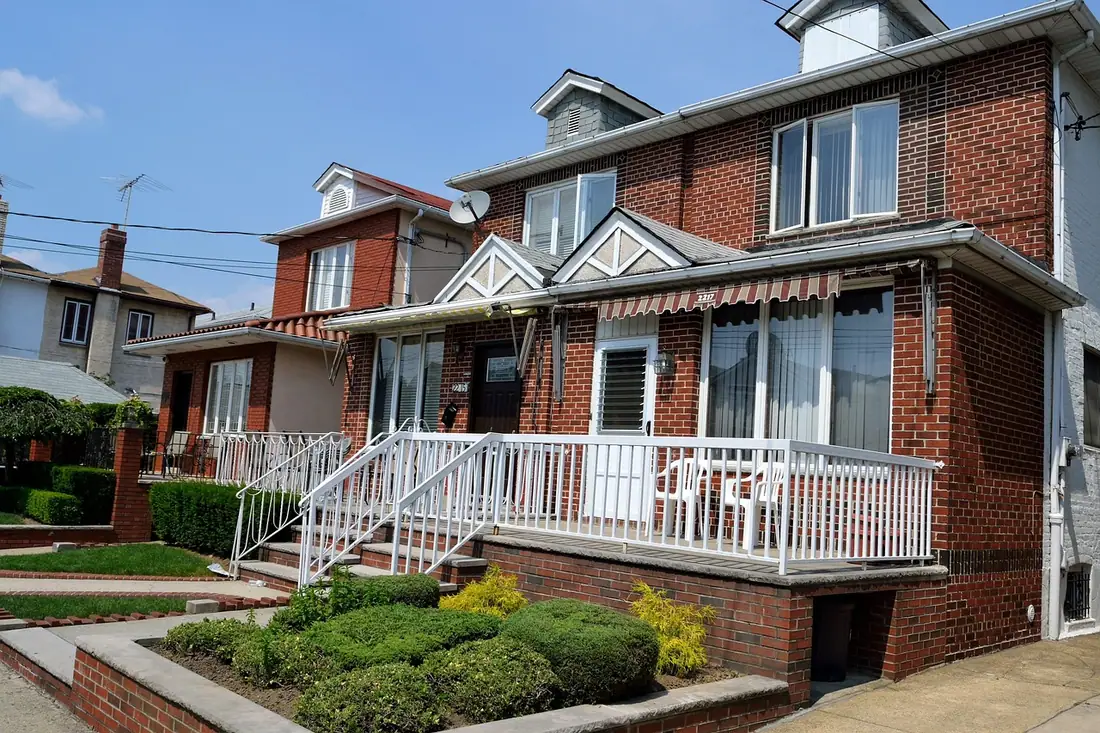
A duplex or fourplex lets you do both at once. You live in one unit, rent the rest, and the tenants cover part of the payment while the work gets done.
| BRRRR with a VA loan | House hacking | |
|---|---|---|
| Where you live | In the house, then you move out | In the house, long term |
| Goal | Get your cash back out, rent the whole place | Cut or erase your own housing cost |
| Rent collected | Full market rent after you leave | Other units or rooms while you stay |
| Usual ending | Refinance, then move | Often none, you keep it |
House hacking is the cheaper way to hold the property during rehab. BRRRR is what you do at the end to free the cash.
Timing the move-out and the rent-up
Sequence matters more than speed. Finish the work, then order the appraisal, because the value has to reflect the finished house. Close the cash-out while you are still living there. Only then give notice, move, and lease the place.
Qualifying is simpler than an investor refinance. An owner-occupied loan looks at your income and debt-to-income ratio, not a rent coverage test, so a slow lease-up does not sink your approval. It does hit your wallet. The standard deal carries $850 a month of holding costs, so every vacant month after you leave is real money. Line up the listing before the truck shows up.
And yes, a plain long term loan can be the exit here, which is covered in whether you can BRRRR with a regular mortgage.
When a conventional or DSCR loan beats it
Three cases. You already moved out, so the VA cash-out is off the table. You want your entitlement free for the next house you will actually live in. Or you would rather skip the funding fee and keep the balance smaller.
In those cases a conventional investment cash-out, usually capped at 75%, or a DSCR loan refinance does the job on rent coverage instead of your paycheck. You pull less cash and more home equity stays in the house, but the payment is lighter and your benefit stays available.
Run your numbers
The BRRRR Calculator on the home page takes your purchase price, rehab budget, after-repair value and refinance percentage and shows what comes back at closing. Set the refinance to 90% to see the VA version, then to 75% to see the investor version, and compare the payment against the rent.

Frequently asked questions
Can you use a VA loan for the BRRRR method?
Yes, on a house you move into. A VA purchase loan is for a primary residence, so the order shifts: buy and occupy, do the work while you live there, refinance while you still live there, then move out and rent the house. There is no investor version of the VA program.
How does a VA cash-out refinance work?
It replaces your current loan, VA or not, with a new VA loan and pays you the difference in cash. VA rules allow a loan up to 100% of the appraised value, though most lenders cap it near 90%. You must occupy the home, you pay a funding fee, and you qualify on your own income rather than the rent.
BRRRR vs house hacking: what is the difference?
House hacking means living in the property long term and renting the other units or rooms to cut your housing cost. BRRRR means getting your cash back out through a refinance and renting the whole house. With a VA loan you often do both in sequence: house hack first, refinance, then move out and let it run as a rental.
Can you rent out a house bought with a VA loan?
Yes, after you have genuinely lived in it. VA does not make you sell when you move, and the loan stays in place once the house becomes a rental. What you cannot do is certify that you intend to occupy the home and then rent it from day one. That is a false statement on a federally backed loan.
Does a VA cash-out refinance use up your entitlement?
It ties up more of it. Entitlement is in use while the loan is outstanding, and a larger balance uses more. If you keep the house as a rental, the entitlement left for the next purchase is capped against the county conforming limit. Paying the loan off, usually by selling, restores it.